
Balisong Guides
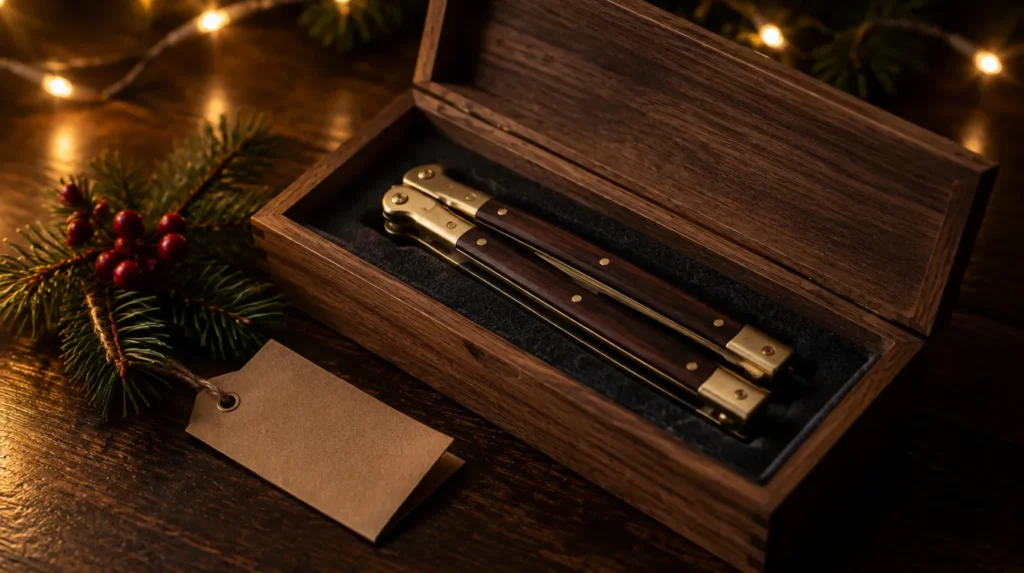
Butterfly Knife Christmas Gifts: Balisong Gift Ideas for Him

A butterfly knife makes an excellent Christmas present for the right person and a confusing one for the wrong person. If he already fli...
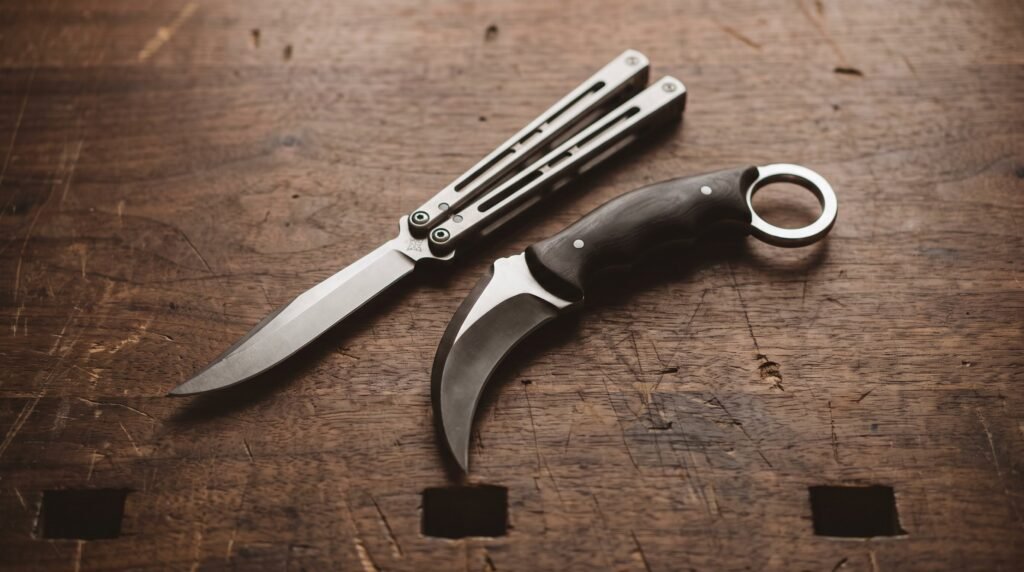
Balisong vs Karambit: Origins, Geometry and How Each Cuts
A karambit is a curved, hooked blade with a finger ring, built for pulling cuts. A balisong is a straight bladed folding knife with two...
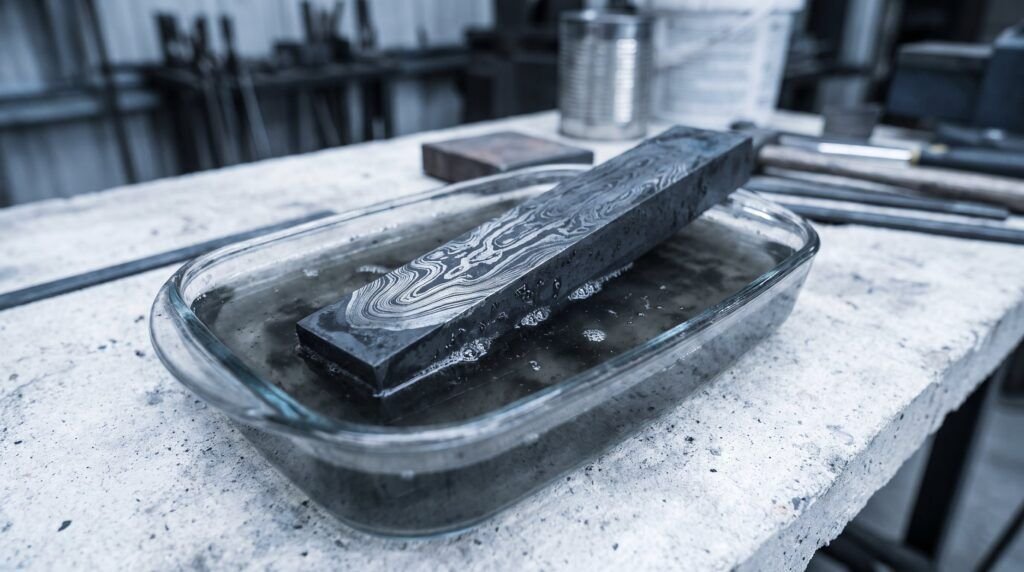
How to Spot Fake Damascus Steel Before You Buy the Knife
Real Damascus is two or more steels forge welded together, folded, drawn out and etched, so the pattern is a physical structure running...
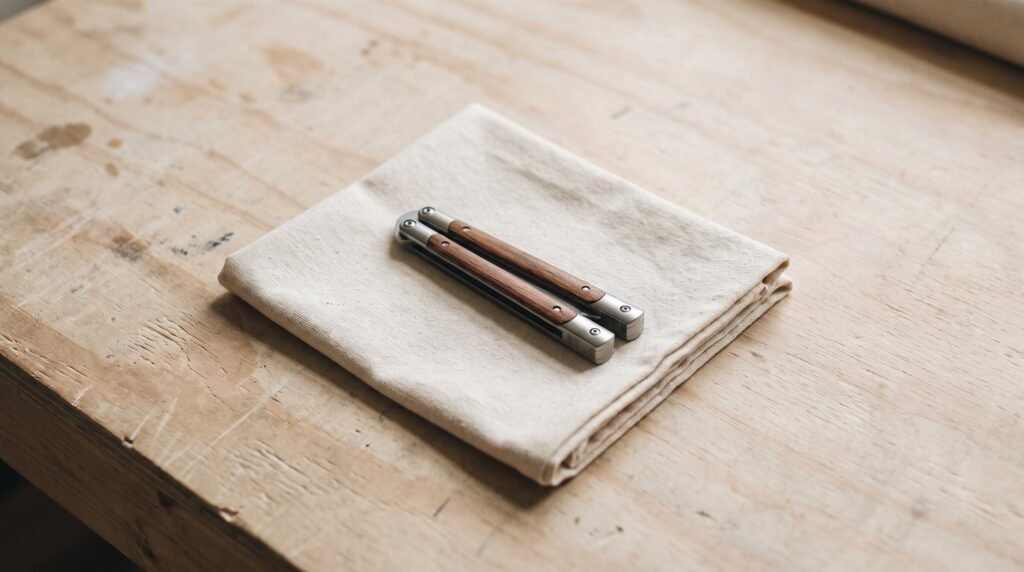
Travelling With a Balisong: Flights, Borders and Shipping
Moving a balisong from one place to another is mostly a question of paperwork and packing, with one absolute rule sitting on top of it:...

Is a Balisong a Good EDC Knife? The Honest Case For and Against
Sometimes. That is the honest answer, and anybody giving you a flat yes is selling something. A balisong cuts as well as any other knif...
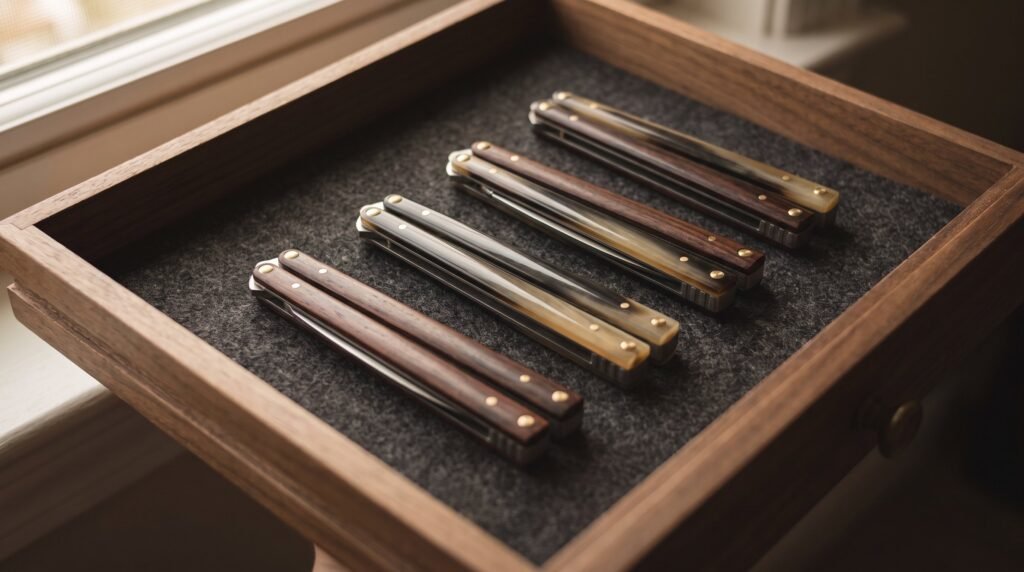
Starting a Balisong Collection: What to Buy First, Second and Third
A balisong collection goes wrong in one predictable way: you buy three knives that are basically the same knife wearing different cloth...
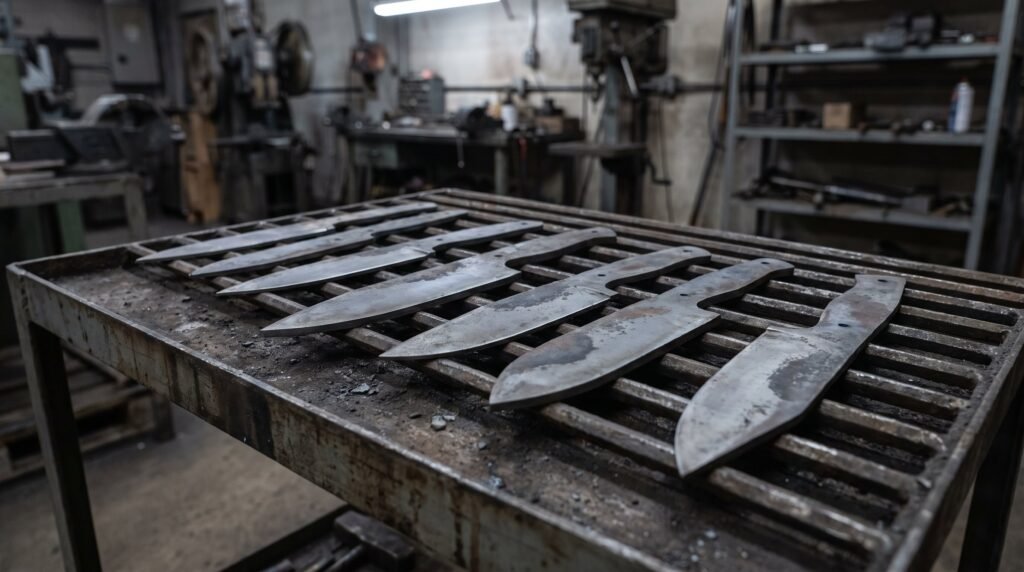
Knife Hardness Explained: What HRC Tells You About a Blade
HRC is a number that tells you how far a diamond point sinks into a piece of steel under a known load. That is all it is. It is not a q...
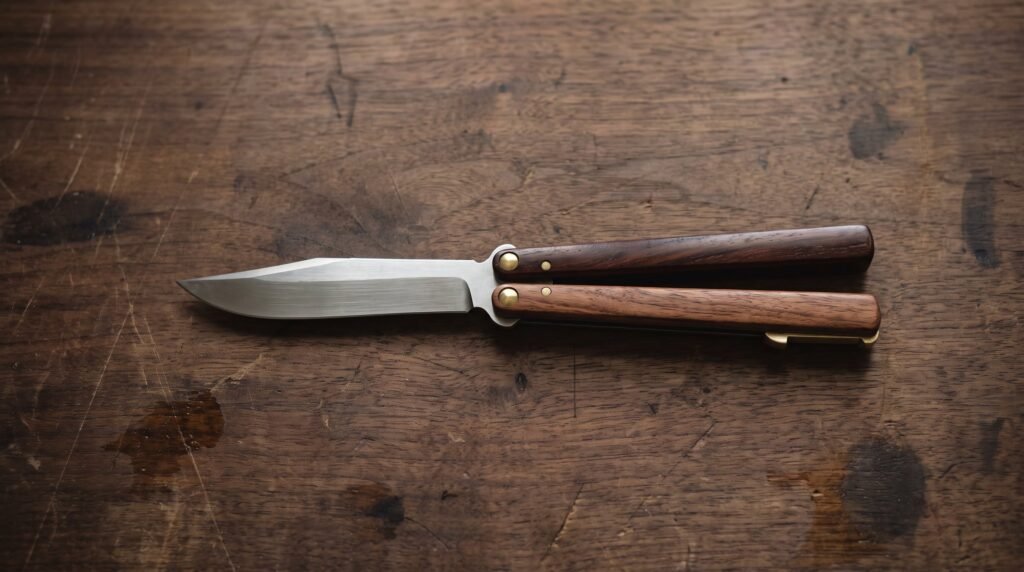
Bite Handle vs Safe Handle: The Balisong Rule That Matters
The bite handle is the one joined to the sharp edge of the blade. The safe handle is the one joined to the spine. Close a balisong onto...
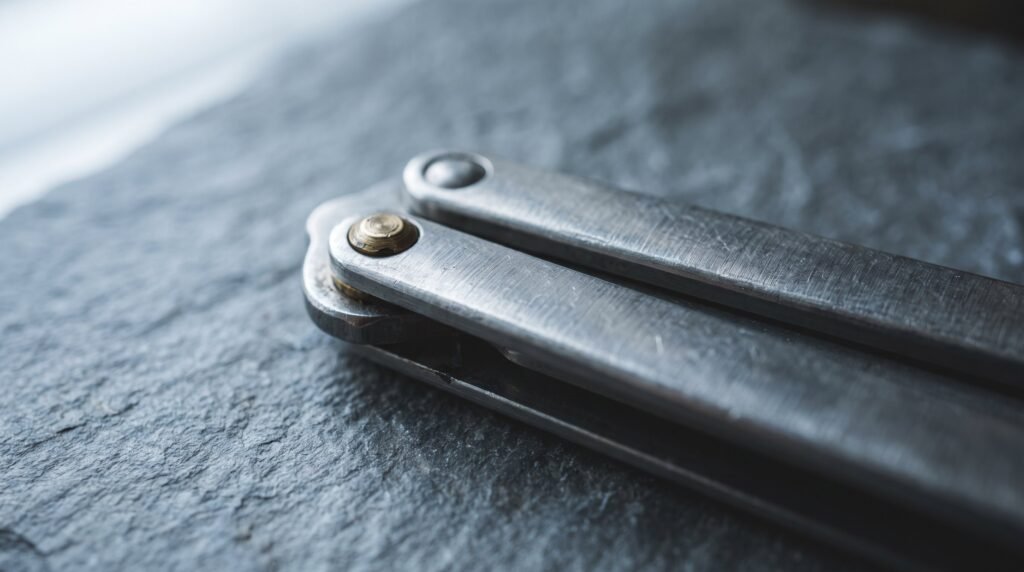
Titanium Balisong Handles: What They Give You, Honestly
Titanium is the default handle material for modern competitive flipping, and for good reasons: it is roughly half the weight of steel f...

Balisong Sizes Explained: Blade Length, Handle Length and What to Buy
A practical guide to balisong sizes: how they are measured, what changes with length and weight, and which size actually suits your hand.