
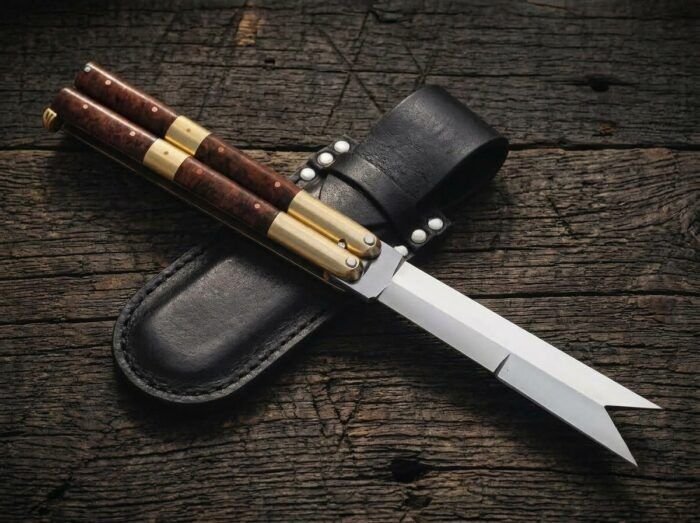
Amihan Filipino Traditional Series D2 Steel Beautiful Butterfly Balisong Knife USA Made With Rose Wood Handle BF-99
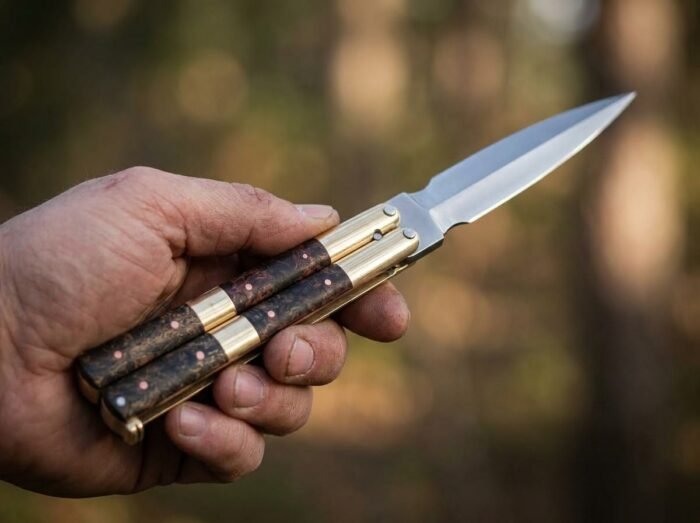
Bagani Filipino Traditional D2 Steel Beautiful Dagger Blade Butterfly Balisong Knife USA Made Gift For Him With Rose Wood Handle BF-111
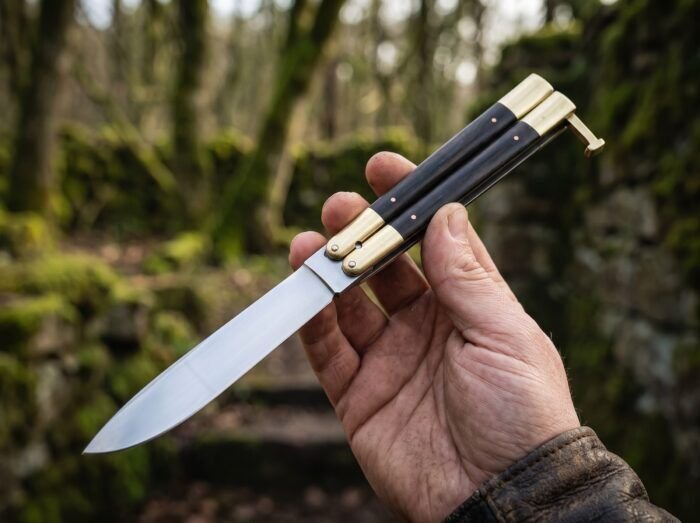
Liger Handmade High Carbon Steel Original Filipino Balisong Butterfly Knife with Brass and Kamagong Wood Handle | 24cm EDC Flipper Gift for Him | BF-70
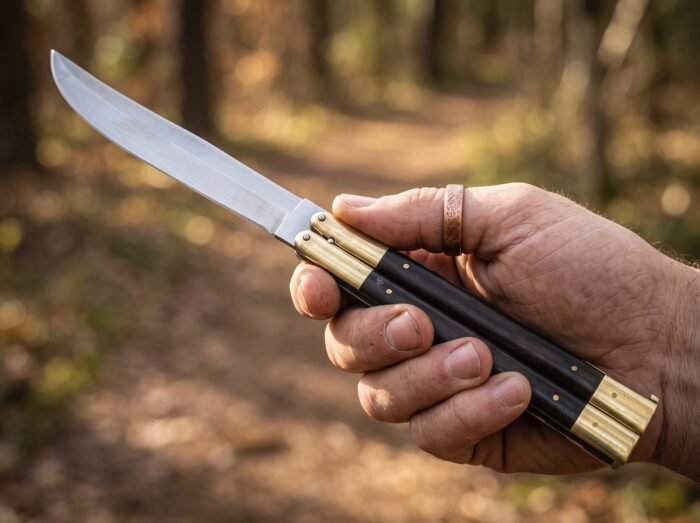
Lizard Handmade High Carbon Steel Original Filipino Balisong Butterfly Knife with Brass and Kamagong Wood Handle | 24cm EDC Flipper Gift for Him | BF-71
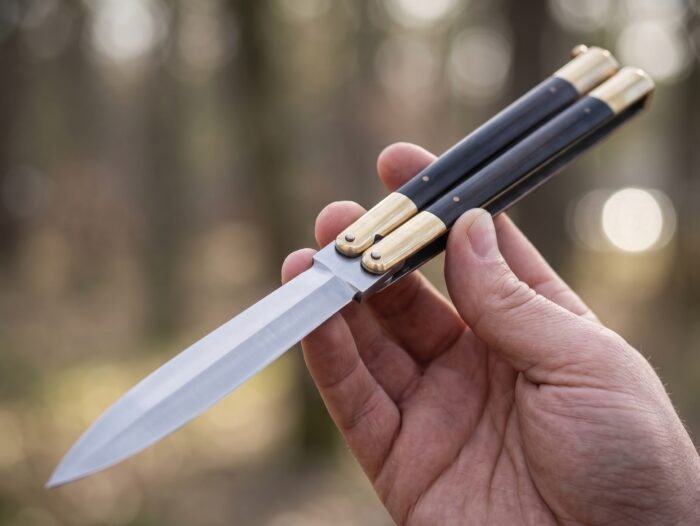
Long-Eared Handmade High Carbon Steel Original Filipino Balisong Butterfly Knife with Brass and Kamagong Wood Handle | 24cm EDC Flipper Gift for Him | BF-72
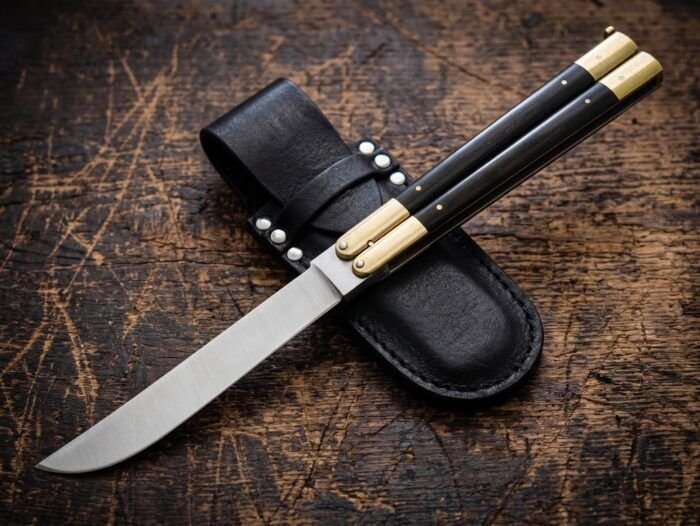
Magpie Handmade High Carbon Steel Original Filipino Balisong Butterfly Knife with Brass and Kamagong Wood Handle | 24cm EDC Flipper Gift for Him | BF-73
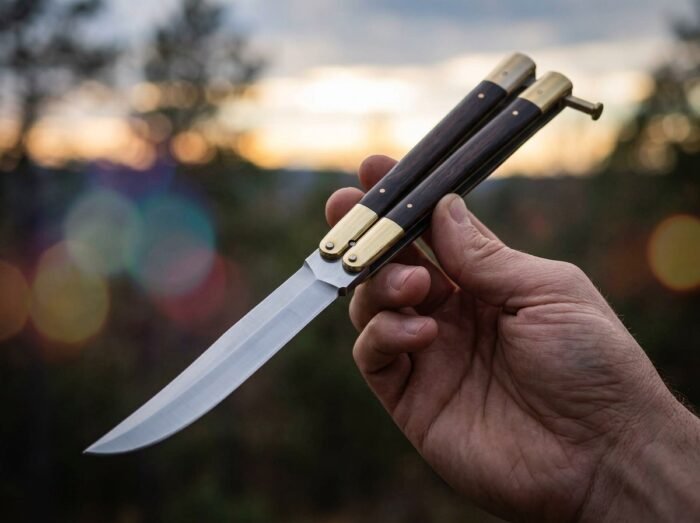
Malayan Civet Handmade High Carbon Steel Original Filipino Balisong Butterfly Knife with Brass and Kamagong Wood Handle | 24cm EDC Flipper Gift for Him | BF-74
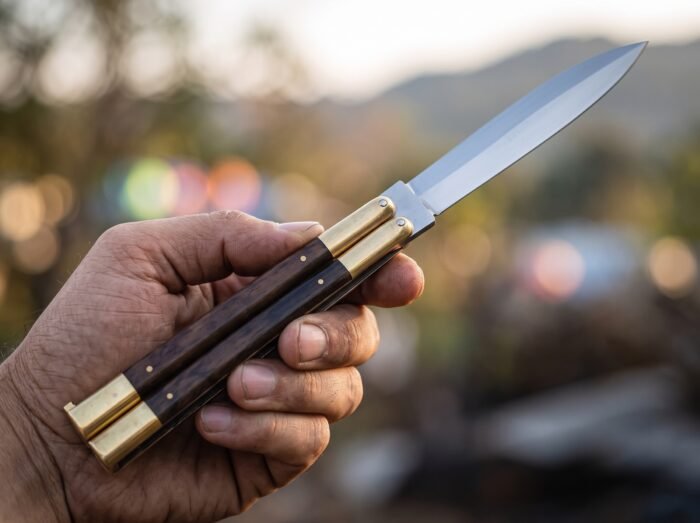
Masked Palm Handmade High Carbon Steel Original Filipino Balisong Butterfly Knife with Brass and Kamagong Wood Handle | 24cm EDC Flipper Gift for Him | BF-75
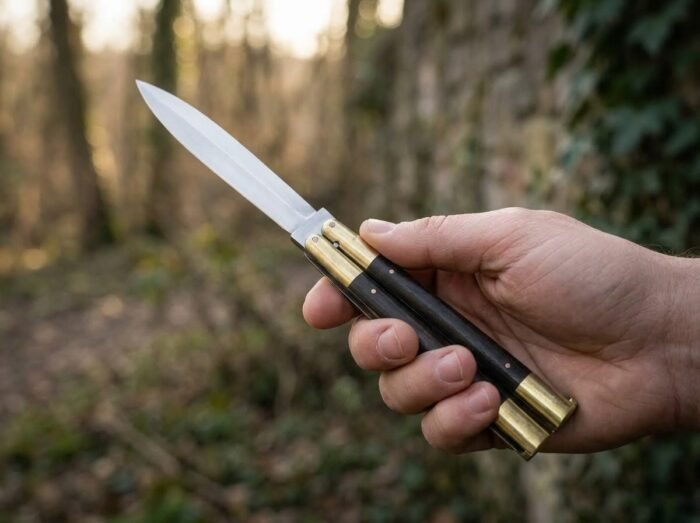
Mayfly Handmade High Carbon Steel Original Filipino Balisong Butterfly Knife with Brass and Kamagong Wood Handle | 24cm EDC Flipper Gift for Him | BF-76
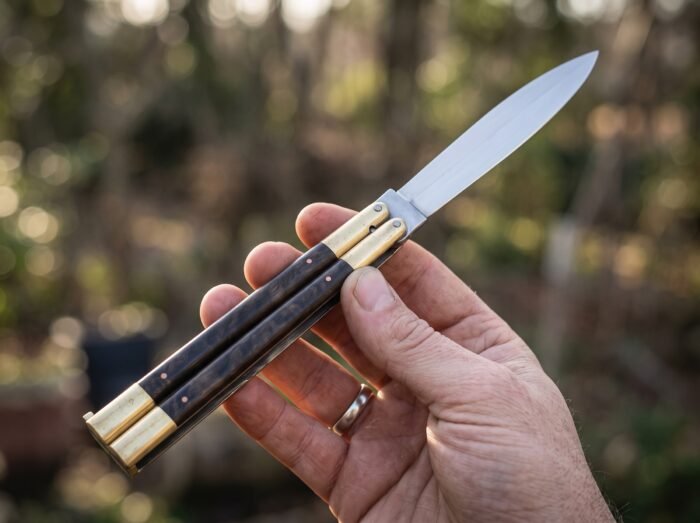
Millipede Handmade High Carbon Steel Original Filipino Balisong Butterfly Knife with Brass and Kamagong Wood Handle | 24cm EDC Flipper Gift for Him | BF-77
Traditional Balisongs
10 traditional balisong knives, $132.00 to $209.00. This is the shelf for the classic Batangas pattern in its plainest, most honest form: the shape the knife had before anyone thought to market it.
A traditional Filipino balisong is defined by proportion rather than decoration: a slim, slightly recurved blade, handles cut to a length that lets the knife close flush, a single latch, and pins rather than bearings. Rosewood or horn handles. No lettering, no finish that would not have existed in Batangas seventy years ago.
What "Traditional" Actually Means Here
Modern flipping balisongs are built around bearings, thick channel handles and heavy zen pins. Knives designed to spin fast and take abuse. Traditional balisongs were made as working knives and everyday tools, and they handle differently: lighter, quieter, quicker in the wrist and less forgiving of sloppy technique.
If you want the knife the Filipino makers were actually making, this is it. If you want a competition flipper, our D2 and Prime shelves will suit you better.
What Is on This Shelf
| Detail | |
|---|---|
| Knives available | 10 |
| Price range | $132.00 – $209.00 |
| Steels | D2 tool steel, high carbon |
| Blade shapes | Classic Batangas, dagger, kris |
| Handles | Rosewood, horn, stag |
| Trainer option | Free on every knife |
Common Questions
What makes a balisong traditional? The Batangas proportions. Slim blade, flush-closing handles, single latch, pinned construction, natural handle material. It is about geometry and materials, not about age.
Are traditional balisongs good for flipping? They flip well but differently. They are lighter and faster than modern bearing knives and less tolerant of rough technique. Many flippers prefer them once past the beginner stage.
Where does the traditional balisong come from? Batangas province in the Philippines, where the pattern was made and refined by hand for generations. Our knives are made by Filipino makers in that tradition and shipped from the USA.
Should a traditional balisong have bearings? No. Traditional construction is pinned, not bearing-mounted. Bearings are a modern flipping feature. Good at what they do, but not part of this pattern.
Can I order a traditional balisong as a trainer? Yes, free on every knife on this shelf.
The traditional shelf, cheapest first
These are the Batangas patterns made the way they were made before anyone put a bearing in a balisong. Pinned, hand fitted, and a little heavier in the hand than the modern stuff. If you want the knife your grandfather would recognise, start here. Fitted leather sheath included, trainer or live blade at the same price, 58-60 HRC.
- BF-77 Millipede High Carbon Steel Original Filipino Balisong butterfly Knife - $135.85
- BF-73 Magpie High Carbon Steel Original Filipino Balisong butterfly Knife - $137.50
- BF-99 Filipino Traditional Series D2 Steel Beautiful Butterfly Balisong Knife USA Made With Rose Wood Handle - $209.00
Living With a High Carbon Blade
Eight of the ten knives here are plain high carbon steel, the steel Batangas makers have used the longest. It takes a very keen edge and comes back quickly on an ordinary stone. It also rusts if you put it away wet, and over months it darkens to a grey patina. The patina is fine. Orange spots are not.
The routine takes less time than reading this paragraph. Wipe the blade dry after use, give it a thin film of oil now and then, and keep it out of the leather sheath while either one is damp, because leather holds moisture against steel like a grudge. If you live somewhere humid and already know you will not do any of that, buy from the stainless shelf instead and we will not think less of you.
Traditional Pattern or Modern Flipper?
People ask this as if one is an upgrade on the other. They are different tools built for different afternoons, and the table is the honest version.
| Traditional (this shelf) | Modern flipper | |
|---|---|---|
| Pivot | Pinned and fitted by hand | Usually bearings or washers on screws |
| Handles | Brass with kamagong or rosewood inserts | Often milled channel or skeletonised |
| Weight at 24 cm | 180 to 220 g | Varies, channel handles run heavier |
| Servicing | Arrives tuned and stays that way | Strip it down and set the tension yourself |
| Care | Oil on the blade and the pivots | Mostly pivot cleaning |
| Best for | Carry, collecting, learning the old style | Hard daily flipping and tricks |
Why 24 cm and Not the Full 29 cm?
The classic full size Batangas knife is the veinte y nueve, Spanish for twenty-nine, because it measures about 29 cm open. Our Batangas balisong guide has the full story, including the version with twenty-nine attackers that nobody has ever found a newspaper for.
Everything on this shelf is the shorter 24 cm pattern. It carries more easily and moves faster through a flip, which is where most flippers settle. If you want the full length, the balisong builder offers 29 cm, and a few knives in our authentic Filipino balisong collection are already cut to it.
More Questions About Traditional Balisongs
Will a high carbon balisong rust? It can, if it is left wet or stored damp. Wipe it dry and oil it lightly and it will darken to a patina rather than rust. The two D2 knives on this shelf are semi-stainless and far less fussy about it.
What is kamagong wood? A dense Philippine hardwood, sold as Philippine ebony or ironwood, and close to black in colour. Along with carabao horn it is one of the traditional Batangas handle materials, and no two pieces carry the same grain.
How do I sharpen a traditional balisong? Lock the handles so they cannot swing, then work the edge on a whetstone. High carbon steel is one of the easiest steels to bring back, so this does not take long. Our balisong sharpening guide walks through it step by step.
About our balisongs
The balisong began in Batangas, in the Philippines, and every knife in this collection is made in that tradition. Our knives are made by Filipino artisans and metalworkers, many from families with generations of experience, now working in the United States.
Blades are ground in 440C stainless, D2 tool steel, VG10, high carbon and Damascus steel. Handles are fitted in kamagong ebony, carabao horn, Philippine deer horn and bone, and every knife ships with a fitted leather sheath. Both live blades and trainers are offered.
Before a knife leaves the bench it passes a four-step quality process: detailed hand inspection, smoothness and pivot testing, blade alignment checks, and durability and finish quality control. If a knife doesn't meet our standards, it never reaches our customers.
Most orders ship in 1 to 3 business days and arrive in 4 to 8 business days across the USA, or 8 to 14 business days internationally. Out of stock knives are handcrafted to order in 2 to 3 weeks, and every order ships worldwide with tracking.