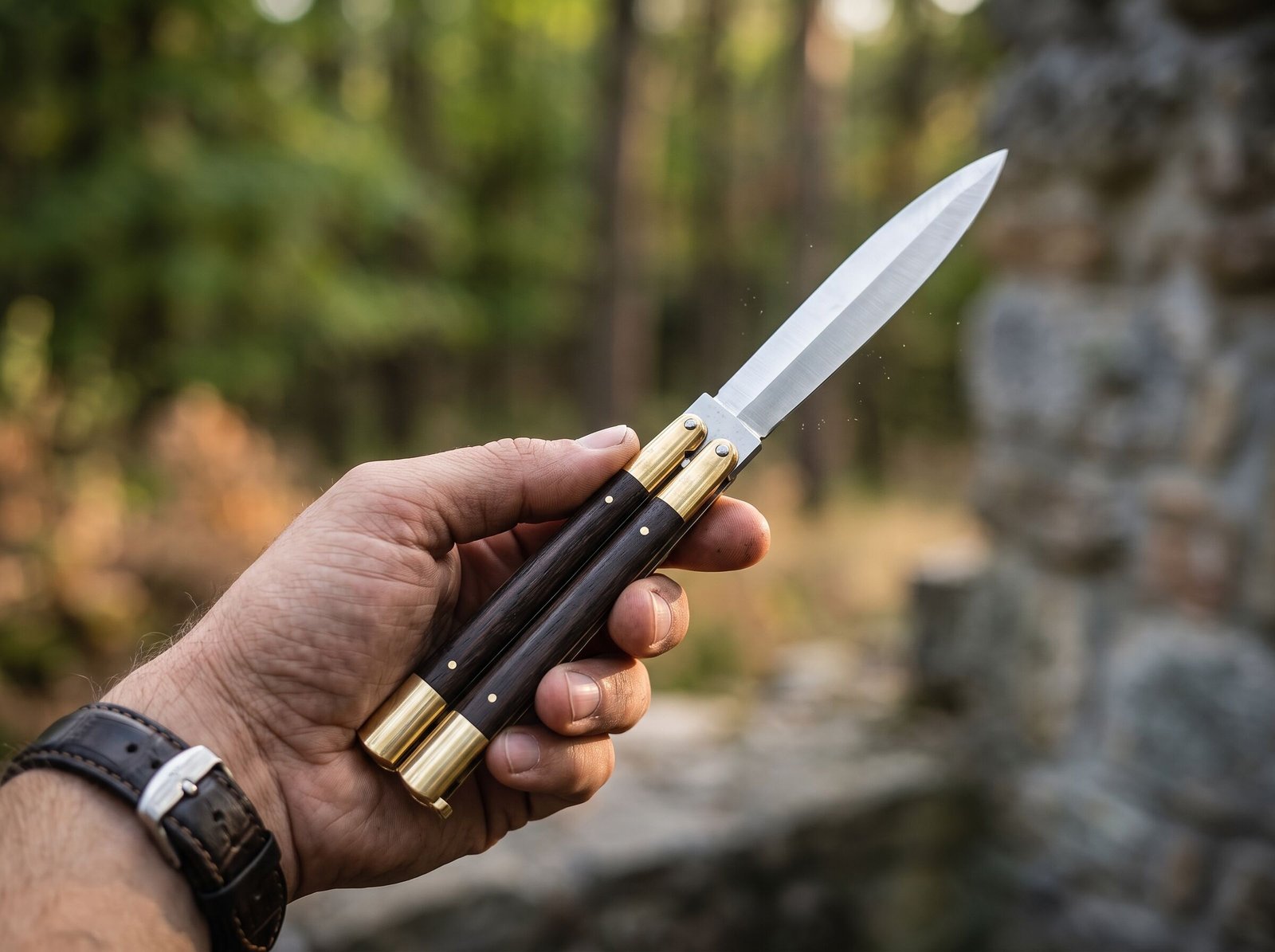
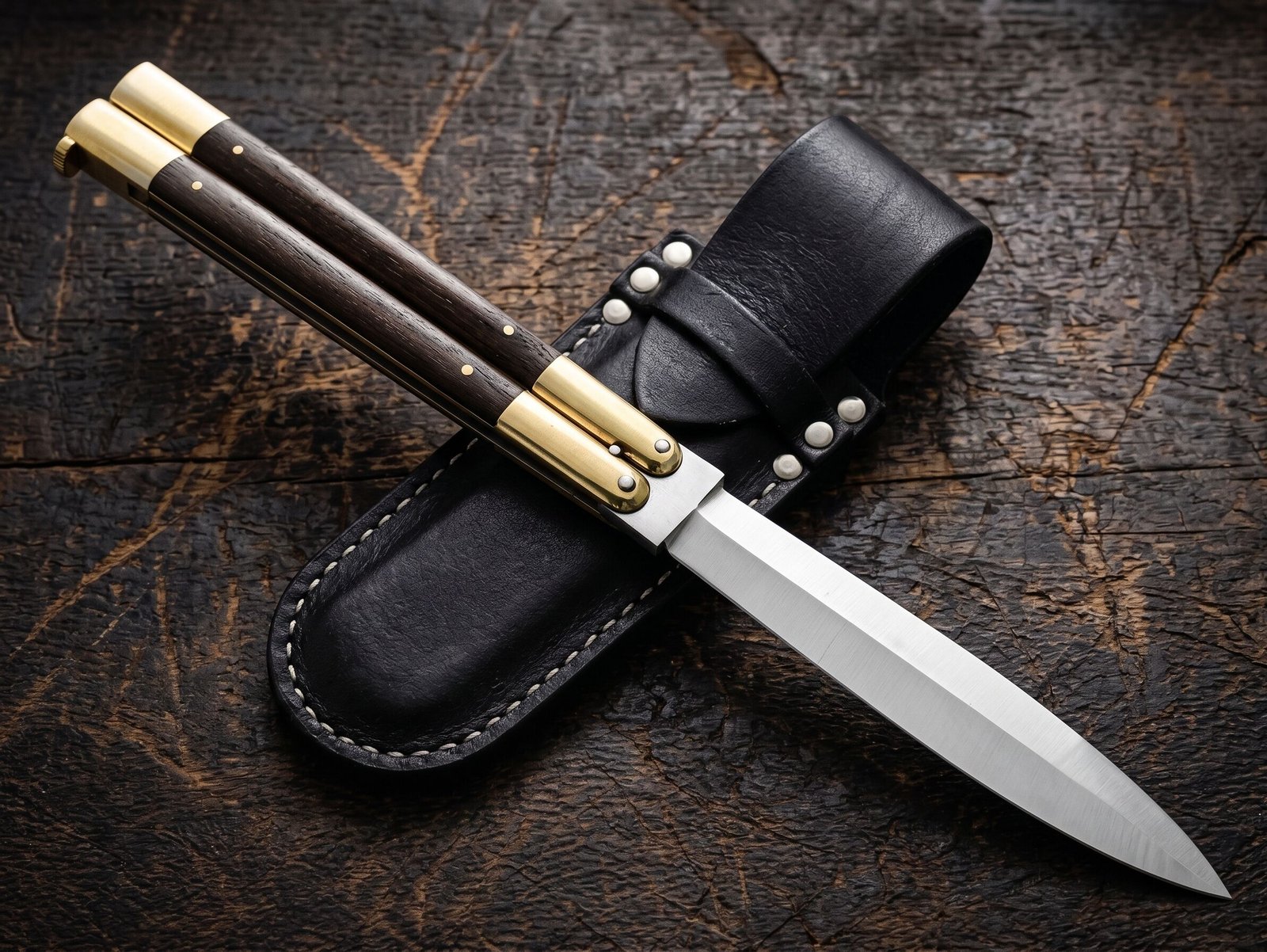
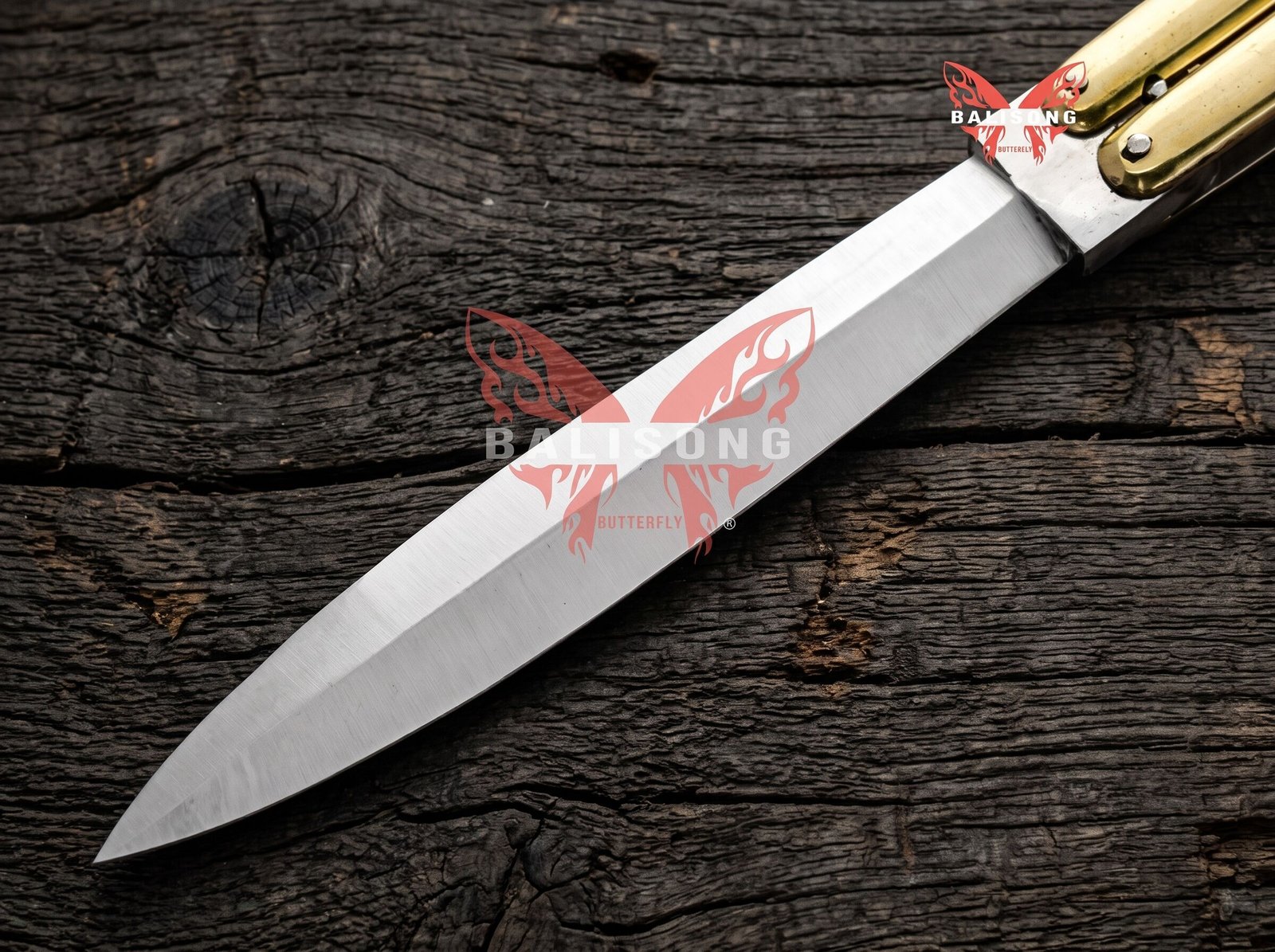
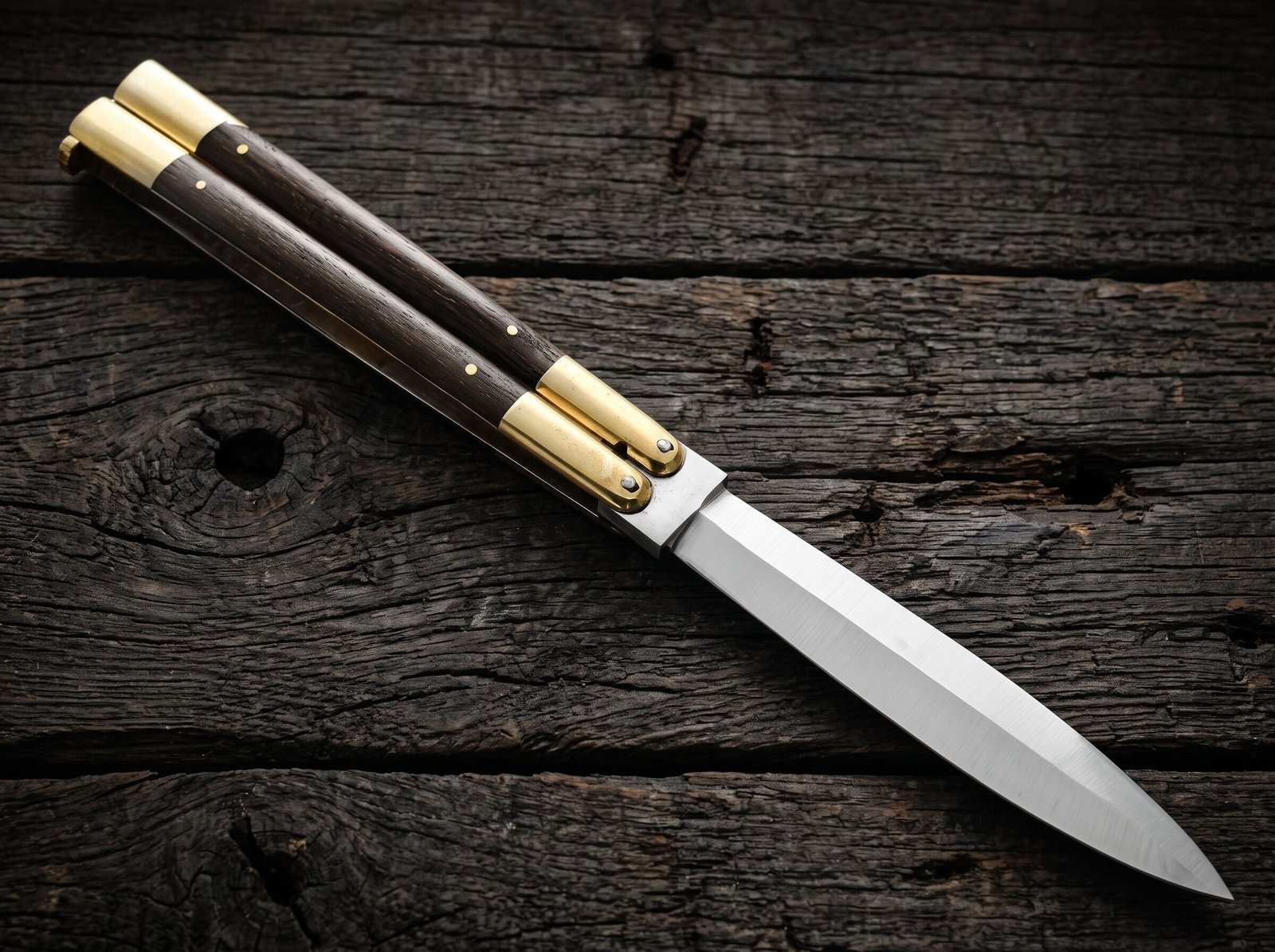
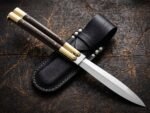
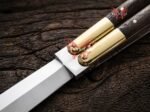
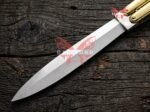
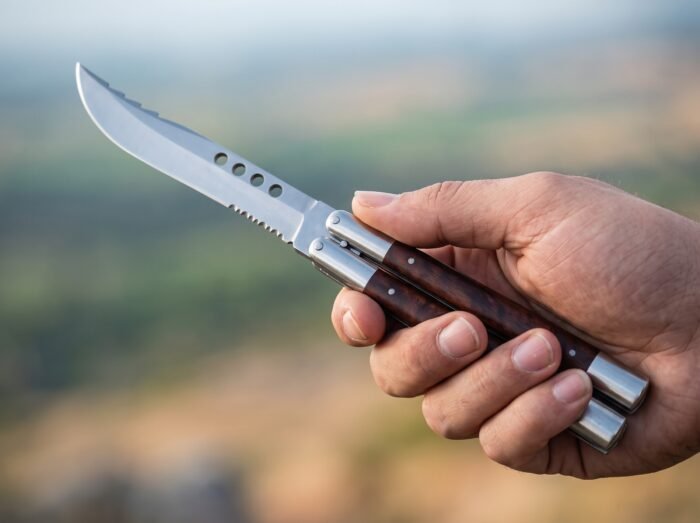
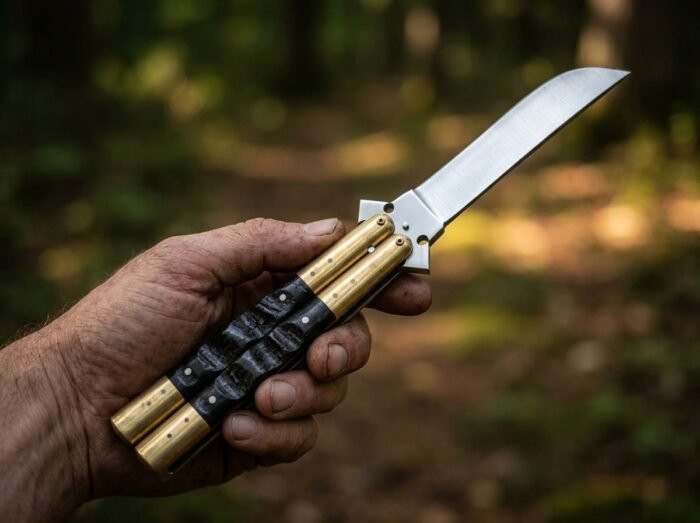
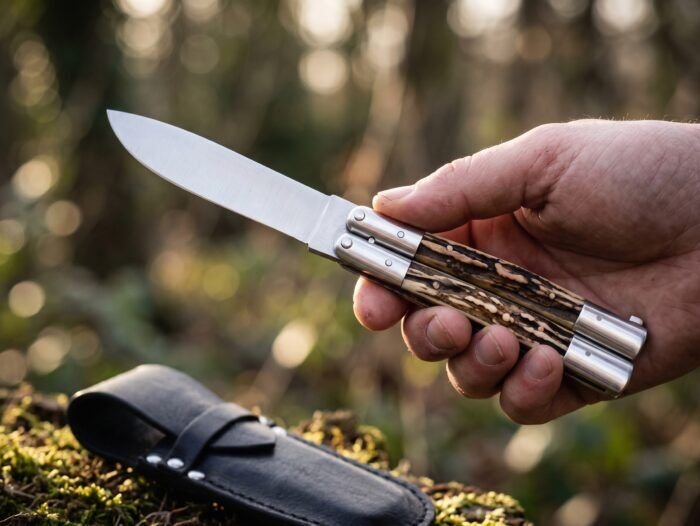
The BF-63 Human is the cheapest high carbon knife we make. Twenty-four centimetres, a 12cm blade, 180g, brass with kamagong. Same steel and same build as everything above it in this run, and it is the one we would tell you to buy first.
What the cheapest knife in a range usually means
In most shops it means a thinner blade, a softer heat treat, a cheaper handle, and a hope that you will trade up. That is a business model and it is not ours, largely because we make these in small runs and a second-tier line would cost us more to run than it would earn.
Identical heat treat at 58-60 HRC. Identical pivots, identical tolerances, identical person checking it before it goes in the box. The difference is hand work on the handle contour and finishing time on the brass, which is where the hours go on a handmade knife.
|
This knife |
A $40 balisong |
| Blade steel |
Plain high carbon, named |
“Stainless steel”, grade never given |
| Heat treat |
58-60 HRC, controlled |
Unknown. Frequently soft enough to dent |
| Handle |
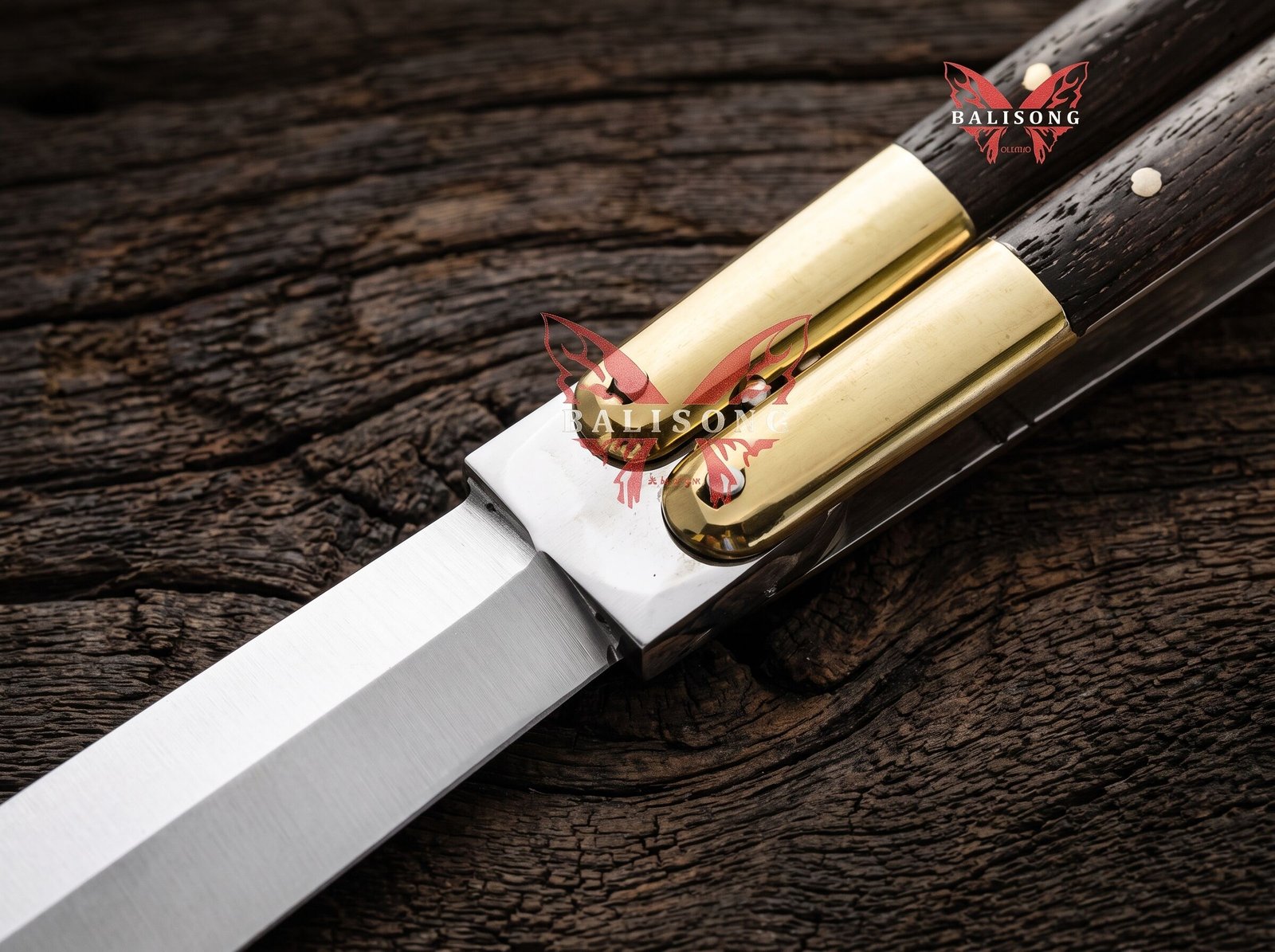
Brass with kamagong inserts |
Zinc alloy, or stamped steel |
| Pivots |
Set and checked by hand |
Whatever came off the line |
| Tang pin |
Fitted. The knife stops where it should |
Often absent. The action feels vague |
| Sheath |
Fitted leather, included |
Nylon pouch or nothing |
| If something is wrong |
Email us |
Good luck |
We are not going to claim a $40 knife will hurt you. Most of them are simply disappointing: the action goes loose in a month, the finish wears through, and the edge was never really there. If a listing refuses to name the steel, that is the tell. A shop that paid for good steel says so in the title.
What you give up by buying the cheap end here
Handle contour and finish. That is it. The more expensive knives in this run have more shaping time in the handle and more work on the brass, and if you handle two you may well prefer the pricier one. That is a legitimate reason to spend more money.
What you do not give up is anything that affects how it cuts or how long it stays sharp. If somebody tells you otherwise, ask them which alloy they think is different.
High carbon steel on a butterfly knife, in short
Iron, about one percent carbon, essentially no chromium. Finer grain than any stainless, so it takes a keener edge, and it sharpens back on an ordinary stone in minutes with no diamond plate required. It rusts if left wet, so you wipe the blade dry when you put it down.
That last sentence is the whole trade. If it sounds like a chore, our 440C and VG10 knives are the better fit and start at a similar price.
180 grams, brass and a kamagong balisong handle
The standard frame at the weight most owners settle on: enough momentum that a rotation carries itself and you get a moment to correct, not so much that a long session wears you out. Kamagong is Philippine ebony and asks nothing of you. The brass will go brown over a year or two and that is not damage.
Ordering this high carbon balisong, and the actual advice
If this is your first balisong, buy this one, unsharpened.55 with the trainer option above Add to Cart. Learn on it for six months. Then buy a sharp one, or buy a more expensive knife, and you will know from your own hands why you are doing it rather than because a product page told you.
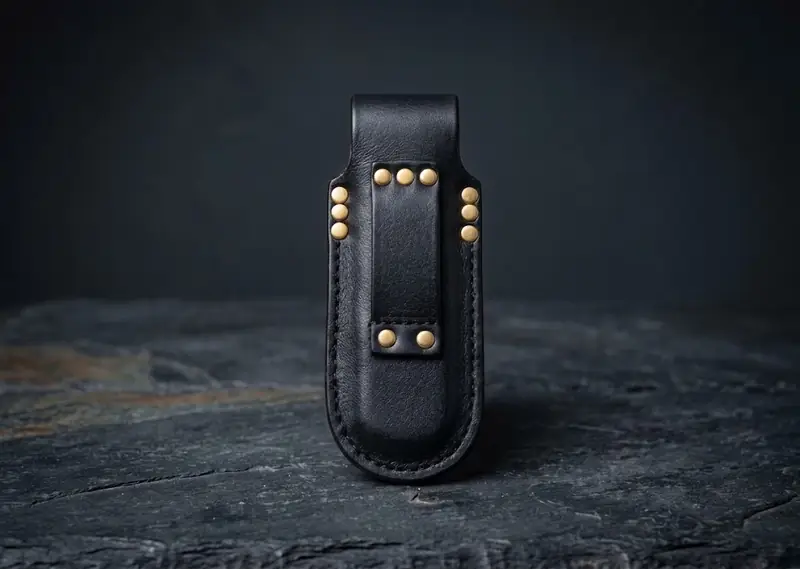
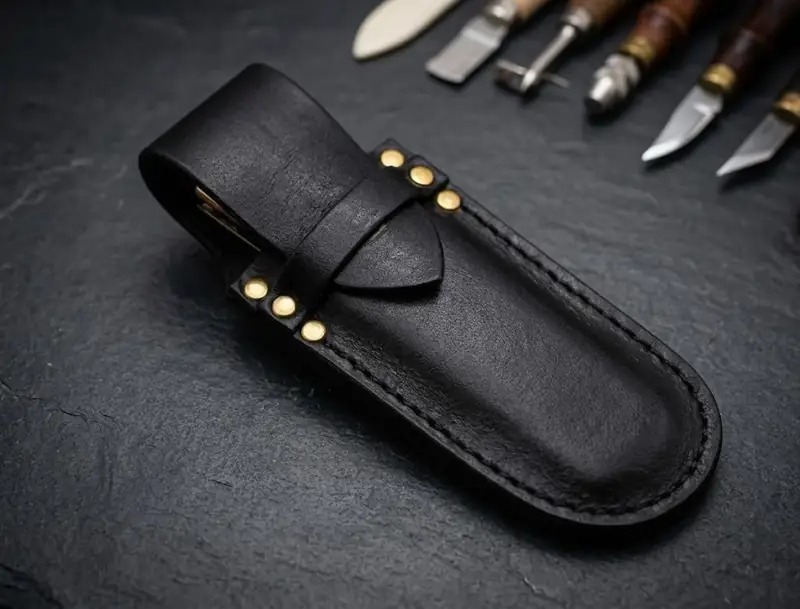
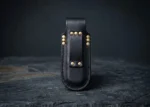
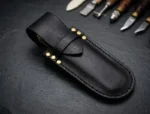
There is a fitted leather sheath in the box. Delivery within the States costs nothing and everywhere else is a flat $49 per order. The knife law that matters is the one at your address, so read that one.
The Human carries high carbon steel on a 24cm frame, with the brass and kamagong wood handle doing most of the work for grip and balance. When the edge eventually needs work, our guide to sharpening a balisong covers the angles and strokes that keep this steel cutting well. This model is part of the rest of our high carbon steel balisongs, and the Ibis high carbon balisong makes a good side by side comparison for anyone still deciding between the two.



Reviews
There are no reviews yet.